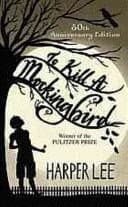
To Kill a Mockingbird
Published
2006
Pages
346
Language
English
ISBN
9780061120084
About this book
Harper Lee's Pulitzer Prize-winning masterwork of honor and injustice in the deep South -- and the heroism of one man in the face of blind and violent hatred One of the best-loved stories of all time, To Kill a Mockingbird has been translated into more than forty languages, sold more than thirty million copies worldwide, served as the basis of an enormously popular motion picture, and was voted one of the best novels of the twentieth century by librarians across the country. A gripping, heart-wrenching, and wholly remarkable tale of coming-of-age in a South poisoned by virulent prejudice, it views a world of great beauty and savage inequities through the eyes of a young girl, as her father -- a crusading local lawyer -- risks everything to defend a black man unjustly accused of a terrible crime.
Should I Read This?
AI-powered reading recommendation
AI Verdict
A timeless masterpiece, "To Kill a Mockingbird" is a must-read for anyone seeking a profound exploration of justice, prejudice, and morality through a child's innocent eyes. Its enduring relevance makes it essential reading for students and social justice advocates alike. Those looking for purely lighthearted escapism might find its themes challenging, but the powerful narrative is undeniably rewarding.
AI Summary
Powered by AI
Harper Lee's Pulitzer Prize-winning novel, "To Kill a Mockingbird," is a powerful story set in the Depression-era South. Narrated by young Scout Finch, it follows her lawyer father, Atticus, as he courageously defends a black man falsely accused of a terrible crime. The book explores themes of racial injustice, prejudice, and moral integrity through the eyes of a child, offering a poignant look at compassion and the loss of innocence in a community grappling with deep-seated hatred.
Enjoyed this summary?
Support the author — get the full book